Understanding EU & UK Sanctions Defense: A Comprehensive Guide
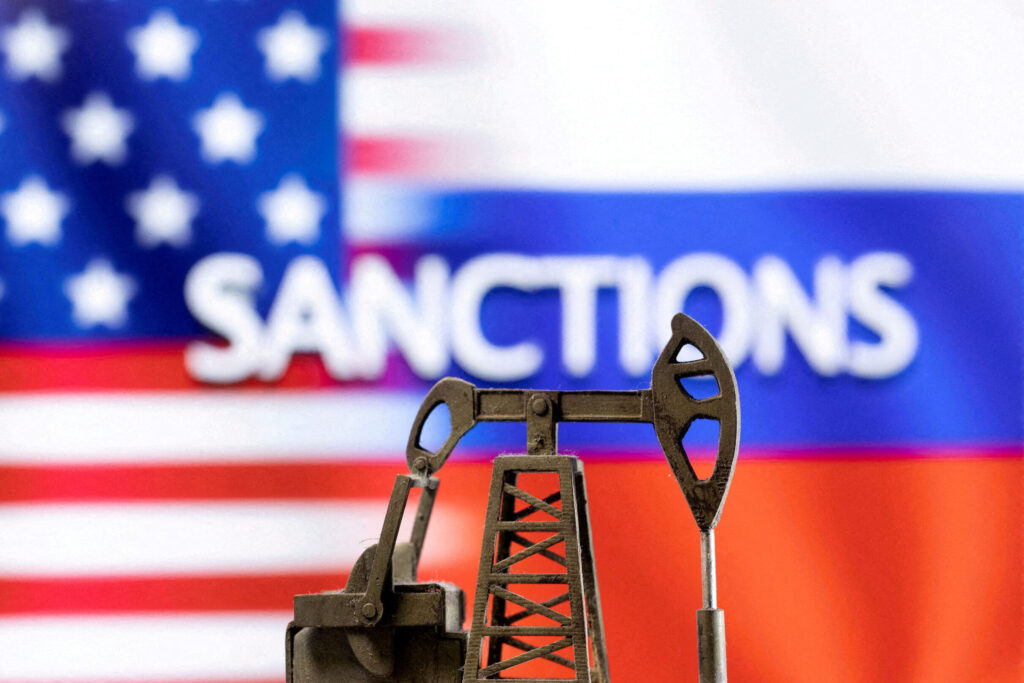
In today’s interconnected world, the regulatory landscape is constantly evolving, particularly regarding sanctions imposed by the European Union (EU) and the United Kingdom (UK). These sanctions can have significant implications for businesses and individuals alike. It is crucial to understand the mechanisms and legal frameworks underlying these sanctions as well as the options available for EU & UK Sanctions Defense. This article aims to elucidate the fundamental aspects of sanctions defense in the EU and UK.
What are EU & UK Sanctions?
Sanctions are restrictive measures imposed by governing bodies to influence the behavior of other countries or entities. The EU and the UK enforce sanctions to promote foreign policy objectives and uphold international law. These measures can take various forms, including trade restrictions, asset freezes, and travel bans. They are typically implemented in response to actions such as human rights violations, aggression against another nation, and terrorism.
Types of Sanctions
The sanctions imposed by the EU and UK can be categorized into several types:
- Economic Sanctions: These involve measures like trade restrictions, tariffs, and financial sanctions that can significantly affect a country’s economy.
- Military Sanctions: Arms embargoes or the prohibition of military sales aimed at restricting military activity in specific regions.
- Travel Bans: Restrictions that prevent individuals from entering or transiting through the EU or UK. These bans can apply to key figures associated with sanctioned governments or organizations.
- Asset Freezes: The freezing of assets held by individuals or entities that are subject to sanctions, effectively cutting off their access to financial resources.
Legal Frameworks Governing Sanctions
The legal frameworks for sanctions in the EU are derived from various treaties and regulations, notably the Treaty on European Union (TEU) and the Treaty on the Functioning of the European Union (TFEU). These treaties empower EU institutions to impose sanctions based on foreign policy objectives.
In the UK, sanctions regulations were transformed after Brexit, with the Sanctions and Anti-Money Laundering Act 2018 (SAMLA) forming the backbone of post-Brexit sanctions policy. This act allows the UK government to impose sanctions to achieve its foreign policy aims and comply with international obligations.
Challenges in Sanctions Compliance
Businesses and individuals operating in an environment of dynamic sanctions face various compliance challenges. These include:
- Keeping Updated: Sanctions lists are frequently updated, and entities must maintain diligent monitoring of these lists to ensure compliance.
- Risk of Penalties: Non-compliance can lead to severe penalties, including hefty fines and reputational damage.
- Complex Legal Language: Navigating through the legal language and understanding the implications of specific sanctions can be daunting.
Sanctions Defense Mechanisms
Given the potential ramifications of sanctions violations, a comprehensive defense strategy is essential. Here are some common approaches to sanctions defense:
Legal Assistance
Engaging legal experts who specialize in sanctions law can provide invaluable guidance. Experienced professionals can help interpret sanctions regulations, assist in compliance matters, and represent entities in legal proceedings arising from sanctions enforcement.
Conducting Risk Assessments
Regular risk assessments can help businesses identify vulnerabilities in their operations that may expose them to sanctions violations. This proactive approach enables organizations to devise strategies to mitigate potential risks.
Compliance Programs
Implementing robust compliance programs is vital for businesses to adhere to sanctions laws effectively. These programs should include regular training for employees, thorough record-keeping, and clear protocols for reporting any potential violations.
Conclusion
As the geopolitical landscape changes, the importance of understanding EU and UK sanctions will only grow. By being informed about the types of sanctions, the legal mechanisms behind them, and strategies for effective sanctions defense, individuals and businesses can better navigate the complexities of international relations and trade.
In conclusion, EU & UK sanctions defense is not simply a legal issue; it also has substantial implications for international commerce and diplomacy. Navigating these waters requires a proactive approach and a commitment to compliance with the ever-evolving landscape of sanctions law.