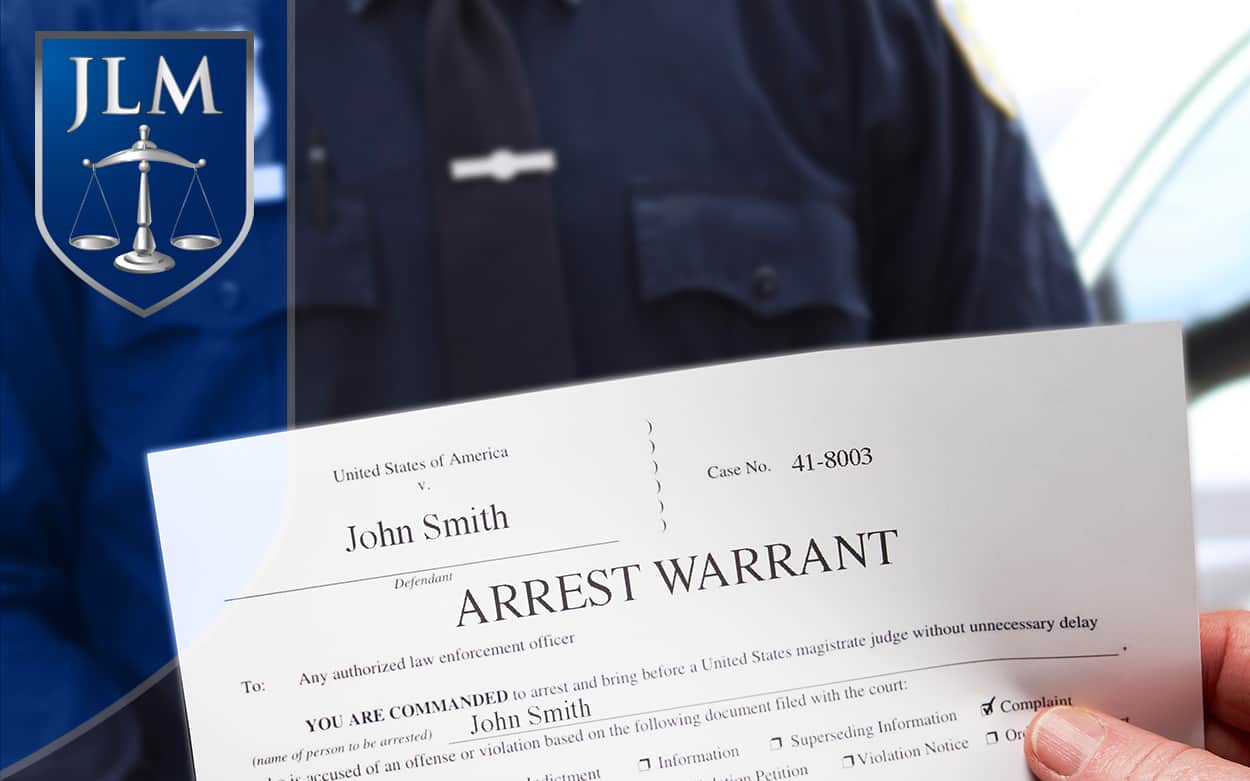
Arrest Warrant Defense: Protecting Your Rights
An arrest warrant can be a daunting situation to face, but understanding Arrest Warrant Defense is crucial in navigating the complexities of the legal system. This article aims to shed light on what an arrest warrant is, the process surrounding it, and effective strategies for defense. Whether you’re facing an allegation or simply wish to equip yourself with knowledge, this guide will help you understand your rights and options.
What is an Arrest Warrant?
An arrest warrant is a legal document issued by a judge or magistrate authorizing law enforcement to arrest an individual. It signifies that there is probable cause to believe that the person has committed a crime. Issuance of an arrest warrant typically involves law enforcement presenting evidence to a judge, who then decides whether the evidence is sufficient to justify an arrest.
The Process of Issuing an Arrest Warrant
The process begins when law enforcement agencies gather evidence and compile a case against an individual suspected of committing a crime. This evidence is then presented to a judge. If the judge finds the evidence adequate, he or she will issue an arrest warrant. Once the warrant is issued, it is entered into a national or state database accessible to law enforcement across jurisdictions.
It’s important to note that an arrest warrant does not imply guilt; it merely allows law enforcement to detain the individual until further legal proceedings can take place.
Common Types of Arrest Warrants
There are several types of arrest warrants, including:
- Bench Warrants: Issued when a person fails to appear in court.
- Search Warrants: Although primarily for searching property, they can lead to an arrest if evidence of criminal activity is found.
- Fugitive Warrants: Issued for individuals who flee from justice.
- Extradition Warrants: Used to seek the return of a person from one jurisdiction to another to face charges.
Implications of an Arrest Warrant
Having an arrest warrant out against you can lead to serious repercussions. It can affect your personal life, including employment, family dynamics, and your ability to travel freely. Once an arrest is made, a record is created that can impact your criminal history, potentially limiting opportunities in various aspects of life, such as employment or housing.
Steps to Take if You Have an Arrest Warrant
If you suspect or know that there is an arrest warrant out for you, it’s essential to act promptly:
- Consult a Lawyer: Seeking professional legal advice should always be your first step. An experienced attorney can provide guidance, help you understand the specifics of the warrant, and devise a defense strategy.
- Do Not Ignore the Warrant: Avoiding law enforcement or ignoring the warrant can result in additional charges or complications. It’s crucial to address the situation proactively.
- Know Your Rights: Understanding your rights when it comes to arrest and detention is vital for navigating the legal system. Your lawyer can help clarify these rights.
- Prepare for Court: If the case proceeds to court, preparation is key. Ensure that you and your legal team are ready to present your case effectively.
Defenses Against an Arrest Warrant
There are several defenses that can be employed against an arrest warrant, depending on the specifics of the case:

- Probable Cause: Challenging whether probable cause existed at the time of the warrant’s issuance can be a strong defense.
- Technical Errors: Sometimes warrants contain errors which can result in their invalidation.
- Unlawful Search and Seizure: If evidence was obtained illegally, it may be inadmissible in court.
The Importance of Legal Representation
Having legal representation is critical when dealing with an arrest warrant. An attorney can help you navigate the complexities of the legal system, represent your interests in court, negotiate plea deals, and potentially reduce penalties. The legal landscape can be intimidating, but with a skilled attorney by your side, you can better understand your situation and fight for your rights.
Conclusion
An arrest warrant can significantly impact your life. Understanding the implications, processes, and defenses associated with arrest warrants is essential for anyone facing such a situation. Proactive measures, including engaging with a knowledgeable attorney, can make a world of difference. As you proceed, remember that you have rights and resources available to you, and it’s okay to seek help in navigating the complexities of the legal system.