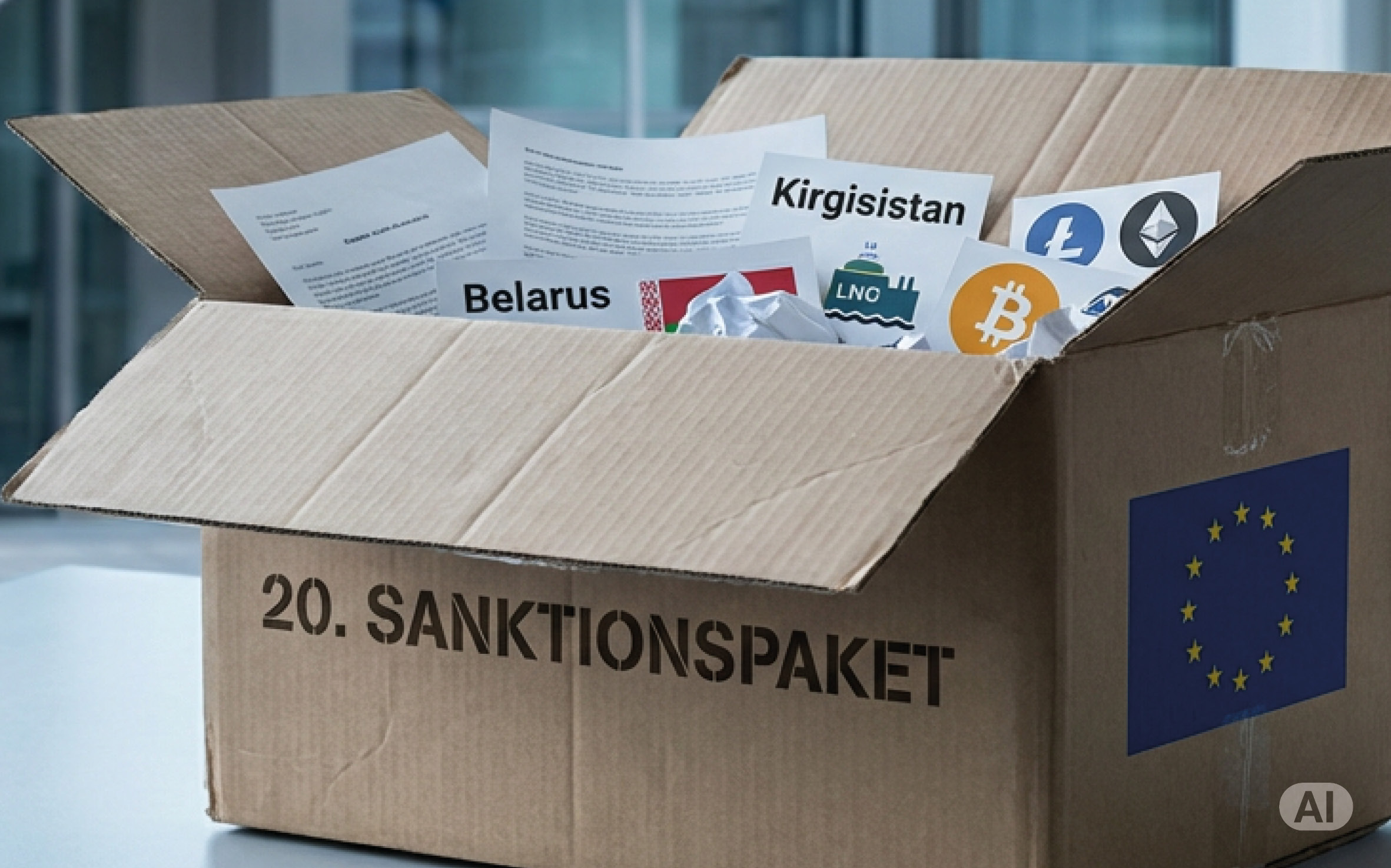
Understanding EU Sanctions Delisting: A Comprehensive Guide
In recent years, EU Sanctions Delisting has garnered increased attention from various sectors, particularly in international trade, finance, and legal communities. The cyclical nature of sanctions—imposing them during international disputes and subsequently lifting those that are no longer deemed necessary—creates a dynamic environment that requires thorough understanding and strategic navigation.
What are EU Sanctions?
European Union (EU) sanctions are restrictive measures imposed by the EU to promote foreign policy objectives, such as upholding international peace and security, promoting democracy, and respecting human rights. These measures can include an array of actions: from economic sanctions—such as trade restrictions and asset freezes—to diplomatic measures, arms embargoes, or visa bans. The need for sanctions arises in response to specific events, including violations of international laws or threats to global security.
Delisting: The Process Explained
Delisting refers to the removal of individuals or entities from the sanctions lists maintained by the EU. This process is critical as delisted entities regain access to financial markets, trade, and other sectors impacted by these sanctions. The procedure can be daunting, often requiring substantial legal acumen and an understanding of both the specific allegations leading to inclusion on the list and the regulatory environment governing the delisting process.
Reasons for Sanctions Delisting
Several factors can lead to a successful delisting request, including:
- No longer meeting criteria: If the reasons for sanctions are no longer applicable, a request for delisting can be initiated.
- Remediation of issues: Entities that take concrete steps to address the concerns that led to the sanction may build a strong case for delisting.
- Legal challenges: In some instances, individuals and entities may contest their inclusion on sanctions lists through legal avenues, presenting their arguments in court.
Understanding the Legal Framework
The legal framework surrounding EU sanctions delisting is largely derived from the Treaty on the Functioning of the European Union (TFEU) and various regulations that govern specific sanctions regimes. Notably, the Common Foreign and Security Policy (CFSP) provides the basis for EU sanctions, and the European Council plays a crucial role in the decision-making process regarding sanctions. It is imperative for those seeking delisting to understand not only the legal regulations but also any relevant case law that may impact their situation.
The Delisting Procedure
The delisting process generally includes several stages, which can vary depending on the specific circumstances of each case. Below is a simplified outline of the typical delisting procedure:
- Review of Sanctions: The first step involves reviewing the grounds for sanctions and compiling relevant documentation.
- Submission of Application: A formal request for delisting must be submitted, detailing the reasons for removal and providing supporting evidence.
- Evaluation by Authorities: EU authorities will evaluate the request, considering both compliance with legal requirements and the broader implications of delisting.
- Decision: A decision will be rendered regarding the request. If the decision is negative, an appeal may be filed in accordance with EU regulations.
Importance of Legal Assistance
Given the complexities involved in the delisting process, obtaining legal assistance is highly recommended. Specialists in sanctions law can provide crucial guidance, assisting entities in crafting compelling delisting requests and navigating the legal landscape effectively. They can also represent clients in any appeals that may be necessary. Understanding the nuances of international law, human rights considerations, and the potential political ramifications is essential for a successful delisting attempt.
Challenges in the Delisting Process
The path to delisting is often fraught with challenges. Among these are:
- Lack of transparency: The specific reasons for sanctions may not always be clearly articulated, making it difficult for individuals and entities to formulate convincing arguments for delisting.
- Political considerations: The decision-making process related to sanctions can be influenced by political dynamics, potentially impacting the outcome of delisting requests.
- Resource limitations: For some individuals and smaller entities, the costs associated with pursuing a delisting request can be prohibitive.
Recent Trends in EU Sanctions and Delisting
The landscape of EU sanctions and the accompanying delisting process has seen noteworthy changes in recent years, particularly in response to evolving geopolitical situations. As international relationships shift, the EU continues to adapt its sanctions frameworks. This adaptability has led to a growing number of delisting requests as entities work to recover from the economic impacts of prior sanctions.
Conclusion
Navigating the EU sanctions delisting process requires careful consideration, detailed knowledge of legal structures, and strategic planning. As global dynamics evolve, understanding the mechanisms surrounding sanctions and delisting becomes increasingly vital for businesses, individuals, and legal practitioners alike. For those impacted by these measures, seeking expert legal representation can enhance the likelihood of a successful delisting, ultimately paving the way for resumed economic activity and restored reputations.